The New Science of Heart Health: Specific Risks for Men and Women

Understanding Cardiovascular Disease and protecting your heart.
Health and wellness are some of the topics we cover every week inside our member portal. Join us to access our full curated library of wellness advocacy guides. Cardiovascular disease (CVD) isn't just a medical term; it's a profound personal story, often unfolding silently until it's too late. It encompasses a range of conditions affecting the heart and blood vessels, including heart attacks, strokes, heart failure, and high blood pressure. But here's the crucial point: many of these stories can have a different ending. By understanding the risks and taking proactive steps, we can rewrite our heart health narratives.
This Heart Health Month, let’s peel back the layers of this pervasive condition, examine how it disproportionately impacts different communities, and empower ourselves with knowledge.
The Alarming Reality: What the Numbers Tell Us
Globally, CVD remains the leading cause of death. But when we look closer, specific demographics reveal critical disparities.
The State of Men's Hearts
Historically, heart disease has often been perceived as a "man's disease," and for good reason. Men tend to develop CVD earlier in life than women.
- A Stark Statistic: According to the American Heart Association, about 1 in 12 men aged 20 and older has coronary heart disease. Source: American Heart Association - Heart Disease and Stroke Statistics - 2023 Update
- Risk Factors: Men are more likely to have risk factors like higher rates of smoking and sometimes delay seeking medical attention for symptoms, which can lead to more advanced disease at diagnosis.
Women and Heart Disease: A Misunderstood Epidemic
For too long, women's heart health has been tragically underestimated and misunderstood. Symptoms can be subtle and different from men's, leading to delayed diagnosis and treatment.
- The Leading Killer: Heart disease is the No. 1 killer of women, causing 1 in 5 female deaths. More women die from heart disease than all forms of cancer combined.
- Unique Risks: Factors like pregnancy complications (e.g., preeclampsia), gestational diabetes, and even certain autoimmune conditions can increase a woman's risk of heart disease later in life. Post-menopause, women's risk also rises significantly due to hormonal changes.
The Disproportionate Burden on Black Populations
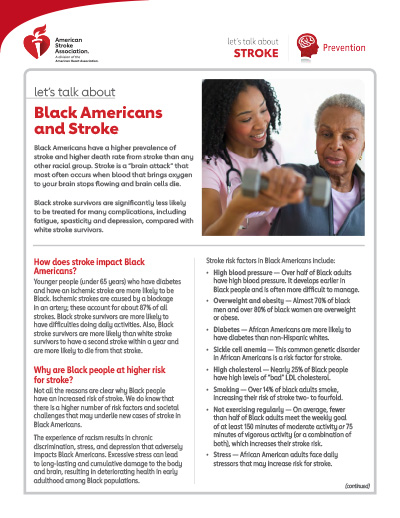
Racial and ethnic disparities in heart health are a critical concern that demands our attention. Black adults, in particular, face a significantly higher risk of developing and dying from CVD.
- Hypertension's Heavy Toll: Black adults have the highest prevalence of hypertension (high blood pressure) among all racial and ethnic groups in the United States, and it often develops earlier in life and is more severe. This is a major contributor to their higher rates of heart disease and stroke.
- Stroke Risk: Black adults are also more likely to die from stroke. The reasons for these disparities are complex and multifaceted, including systemic factors like unequal access to healthcare, socioeconomic inequities, chronic stress, and environmental factors.
Why Should You Care? Because Your Heart is Your Story.
These statistics aren't just numbers; they represent lives, families, and futures. Your heart beats approximately 100,000 times a day, pumping life through your veins. It's the engine of your existence, fueling every laugh, every dream, every moment.
Understanding these disparities isn't about fear; it's about empowerment. It's about recognizing that while genetics play a role, lifestyle choices and systemic issues profoundly shape our heart health outcomes.
Taking Charge: Simple Steps for a Healthier Heart
The good news? A significant portion of CVD is preventable. Here's how you can start today:
- Know Your Numbers: Get regular check-ups. Understand your blood pressure, cholesterol levels, blood sugar, and BMI. These are your personal heart health report card.
- Move Your Body: Aim for at least 150 minutes of moderate-intensity exercise per week. Even short bursts of activity add up. Whether it’s joining group classes at a local community recreation center or working with a fitness instructor to learn heart-healthy strength training, professional guidance ensures you are exercising safely. Many gym memberships now offer "group classes" to help make consistent activity more accessible.
- Eat Heart-Smart: Fill your plate with fruits, vegetables, whole grains, lean proteins, and healthy fats. Limit processed foods, excessive salt, and added sugars. You don't have to overhaul your kitchen alone. Partnering with a culturally-informed dietitian can help you keep the flavors you love while protecting your blood pressure.
- Manage Stress: Chronic stress takes a toll on your heart. Find healthy coping mechanisms such as, yoga, hobbies, or spending time in nature.
- Quit Smoking: If you smoke, quitting is the single most impactful step you can take for your heart health.
- Prioritize Sleep: Quality sleep is vital for repairing and rejuvenating your body, including your heart.
Join the Conversation!
Your heart health journey is unique, but you're not alone. We believe that shared knowledge and collective action can make a real difference.
What are your biggest heart health concerns? What steps are you taking to protect your heart? Share your thoughts in the comments below! Let's build a community dedicated to fostering healthier hearts and stronger lives.
Don't forget to subscribe to our platform for more insightful articles, tips, and resources on health and wellness! Together, we can turn the tide against cardiovascular disease.
References:
- American Heart Association - Heart Disease and Stroke Statistics - 2023 Update:
- American Stroke Association - Stroke in African Americans:

- American Heart Association - Cardiovascular Health Disparities:


- Centers for Disease Control and Prevention - Heart Disease in Women:
 CDC
CDC
- The Heart Foundation:
 Hannah