
Beyond the Breath: Honoring Resilience and Innovation This Rare Disease Month
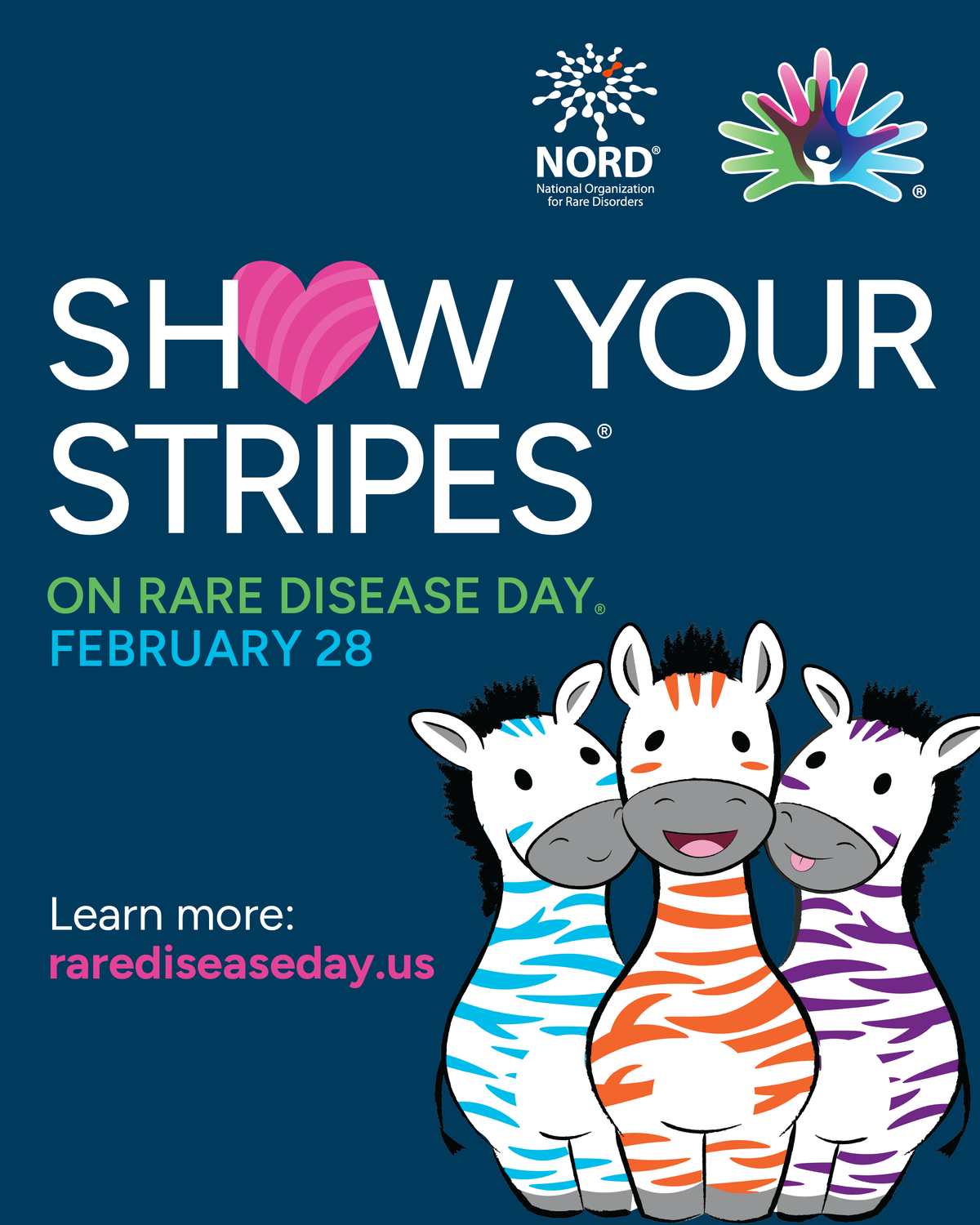
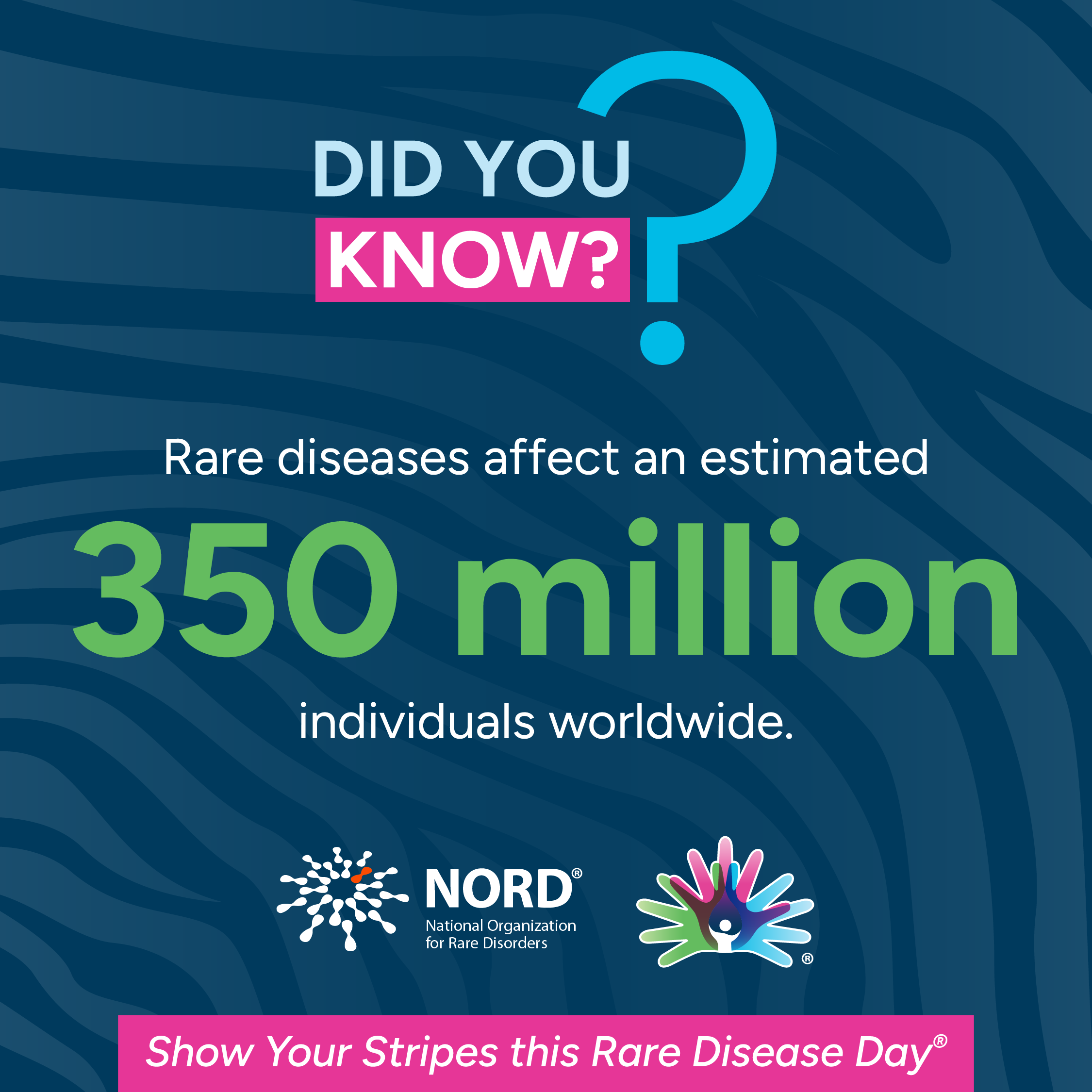
Every February, the global community comes together to observe Rare Disease Month, a time to shine a light on the 300 million people worldwide living with rare conditions. It is a month dedicated to fostering hope, spreading awareness, and acknowledging the tireless advocates who refuse to let these "invisible" struggles go unnoticed.
At The Inspired Collective Research Hub, we stand in solidarity with the individuals and families impacted by rare diseases. Their strength in the face of diagnostic odysseys and limited treatment options is nothing short of heroic. This month, we also want to highlight the National Organization for Rare Disorders (NORD). For decades, NORD has been the cornerstone of the rare disease community, driving the advocacy, policy changes, and research funding necessary to ensure that no patient is left behind.
Advancing the Frontier: Our Research on ARDS
A core part of our mission at the collective is contributing to the scientific understanding of complex conditions that lack sufficient therapeutic answers. In honor of Rare Disease Month, we are highlighting our recent research work focused on Acute Respiratory Distress Syndrome (ARDS).
ARDS is a devastating condition characterized by rapid fluid buildup in the lungs, often occurring in patients who are already critically ill. While it is a known clinical entity, the underlying immune mechanisms that drive its progression remain a frontier of medical research.
Our study, recently published in Biomolecules (PMID: 37238695), delves into the "immune fingerprint" of ARDS. By analyzing a specialized type of immune gene sequences, known as CDR3 sequences, from T-cell receptors within lung edema fluid, our team sought to understand how the body’s adaptive immune system responds during this crisis.
Key takeaways from our research include:
- Clonal Identification: We identified distinct populations of T-cell clones within the lung fluid of ARDS patients, suggesting a targeted immune response rather than a random inflammatory event.
- Biochemical Characterization: By mapping the biochemical features of these sequences, we are gaining a clearer picture of the T-cell repertoire, which is essential for developing future precision therapies.
- A First Step Toward New Technology: This work represents one of the first applications of immune sequencing technology on these specific biological samples, opening new doors for how we monitor and treat lung injury.
Why This Matters
For those living with rare or complex respiratory conditions, research like this isn't just about data, it’s about the possibility of a breath taken more easily. By decoding the language of the immune system, we move closer to the day when "rare" no longer means "untreatable."
As we close out Rare Disease Month, we invite you to join us in supporting NORD’s mission and staying engaged with the latest scientific breakthroughs. Whether through advocacy, donation, or simply sharing a story, your voice helps bridge the gap between isolation and community.
To the patients, the caregivers, and the researchers: we see you, we honor you, and we continue the work for you.
To read our full study on ARDS and T-cell receptor sequencing, you can access the publication here: Analysis of CDR3 Sequences from T-Cell Receptor β in Acute Respiratory Distress Syndrome.


