Addressing Accessibility Gaps in Clinical Research
Written by Busola Bamidele-Oseni

By: Busola Bamidele-Oseni
Clinical research is the foundation for drug development and scientific advancement. However, significant gaps persist in recruiting diverse patient populations. This article highlights key accessibility gaps, provides real-world examples, and offers recommendations to enhance inclusivity in clinical research.
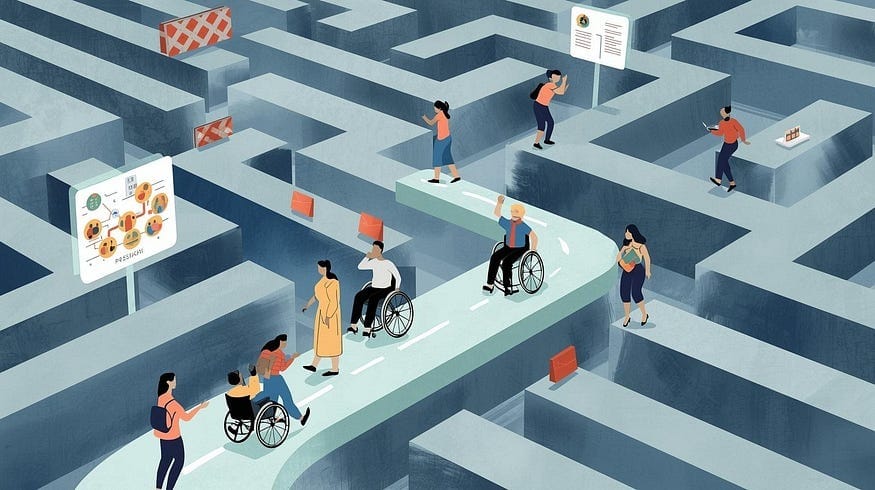
Clinical trials have yielded innovative treatments that substantially improve quality of life. Nevertheless, these studies often fail to adequately represent the broader population. Barriers such as geographic distance, logistical constraints, linguistic and educational challenges, and racial distrust disproportionately affect minority and underrepresented groups.
Geographical and Logistical Barriers
The majority of clinical trials are conducted at large academic and university hospitals, predominantly located in urban centers. Patients residing in rural or underserved regions frequently encounter substantial travel burdens, which may deter participation. While some sponsors attempt to mitigate these barriers by offering transportation support, many elderly patients remain hesitant, citing insufficient social support and mistrust of unfamiliar transportation providers. These individuals often prefer to be accompanied by friends or family, who may be unavailable due to work or other commitments. Although expanding trials to remote or rural settings is a potential solution, the complexity of many studies limits the feasibility of conducting research at smaller clinics or remote sites. Consequently, patients outside major urban or suburban areas experience restricted access to novel therapies.
Language and Education Barriers
Language differences are a significant obstacle to trial participation. For example, in one trial I facilitated, translation of the informed consent form (ICF) into Spanish took over three months. Securing a Spanish translator for the patient during the entire trial took another four months. This resulted in a seven-month delay. By then, the patient opted out of the clinical trial. For patients with terminal illnesses, time is critical. Such delays can mean exclusion from potentially life-saving treatments. Beyond translation, complex trial terminology is another barrier for educationally illiterate populations. For instance, “placebo” is common in clinical research but may be unfamiliar to those with limited education. Educationally illiterate groups may include people from socioeconomically disadvantaged or rural backgrounds. ICFs must be translated and simplified for comprehension. Proper education by the Principal Investigator and research coordinator during consent and throughout the trial is also essential.
Racial Disparities
Some racial disparities in clinical trials are rooted in fear. For example, the Tuskegee Syphilis Study remains a reference point for many Black patients, fueling distrust of research. As a research coordinator, I have seen how discussing clinical trials can trigger visible apprehension among Black patients. Therefore, rebuilding trust requires more than clear communication; representation in trial leadership, clinical teams, and participant groups is critical to establishing trust and reducing generational fear.
Discussion
These inequities reveal systemic challenges in clinical research accessibility. Geographical, linguistic, educational, and racial disparities together create accessibility gaps. Addressing these barriers requires a multifaceted approach: Expanding trial sites into community clinics, streamlining translation processes, simplifying informed consent materials, and prioritizing representation in clinical leadership and patient enrollment. By addressing these barriers, the field of clinical research can move toward a more equitable future, where innovative therapies are accessible to a broader and more diverse population.


